
I took inspiration from Peanut Butter Based Desserts to make Reeses macarons with a creamy peanut butter filling and an unexpected technique that solves a common baking problem.
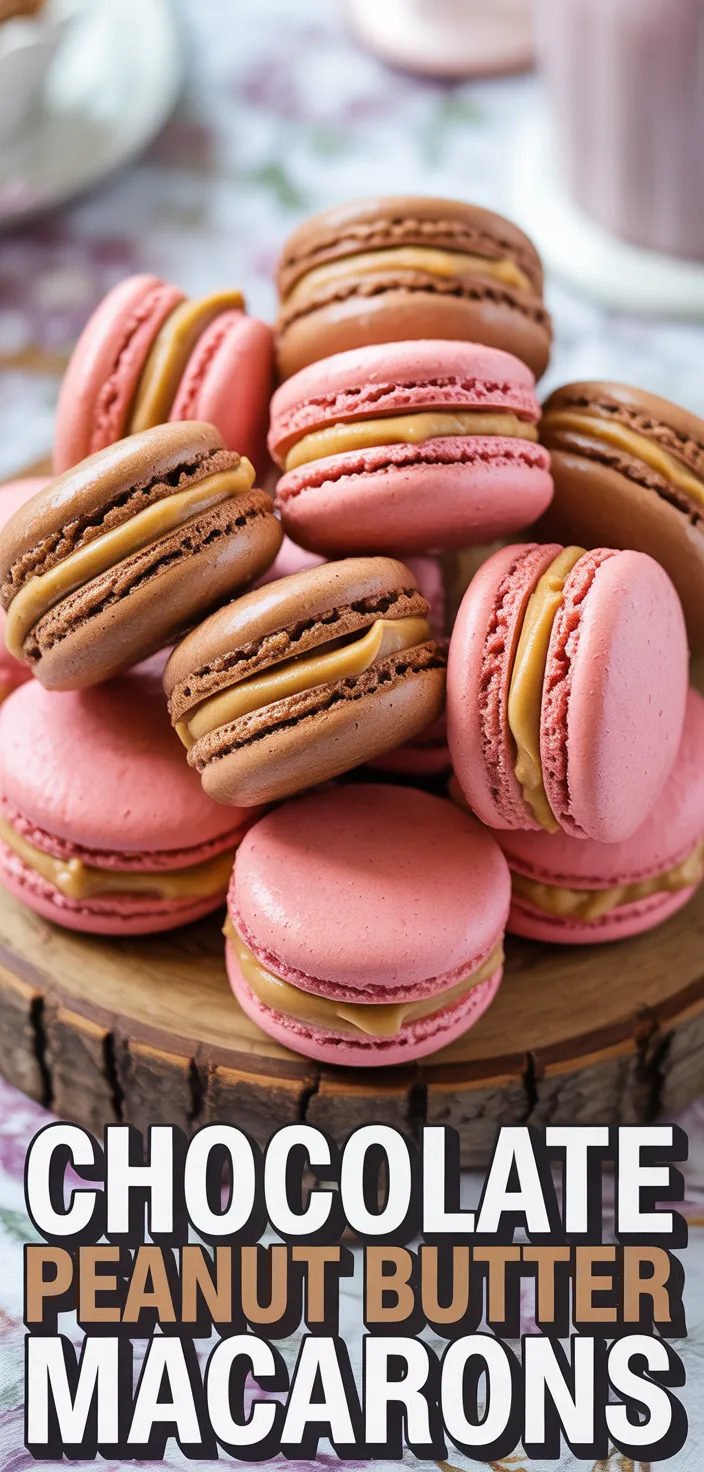
I never imagined a macaron could hit like childhood candy, yet these Chocolate Peanut Butter Macarons do. Crisp, delicate shells made from whipped egg whites give way to a creamy peanut butter center that somehow makes you want to hide the whole batch.
It’s playful, a little naughty, and weirdly refined at the same time. If you love Flavors That Go With Chocolate or are already into Peanut Butter Based Desserts, this will grab your attention.
You might think macarons are fussy, but once you taste the contrast here you’ll be curious enough to try them, even if you mess up the first batch.
Ingredients
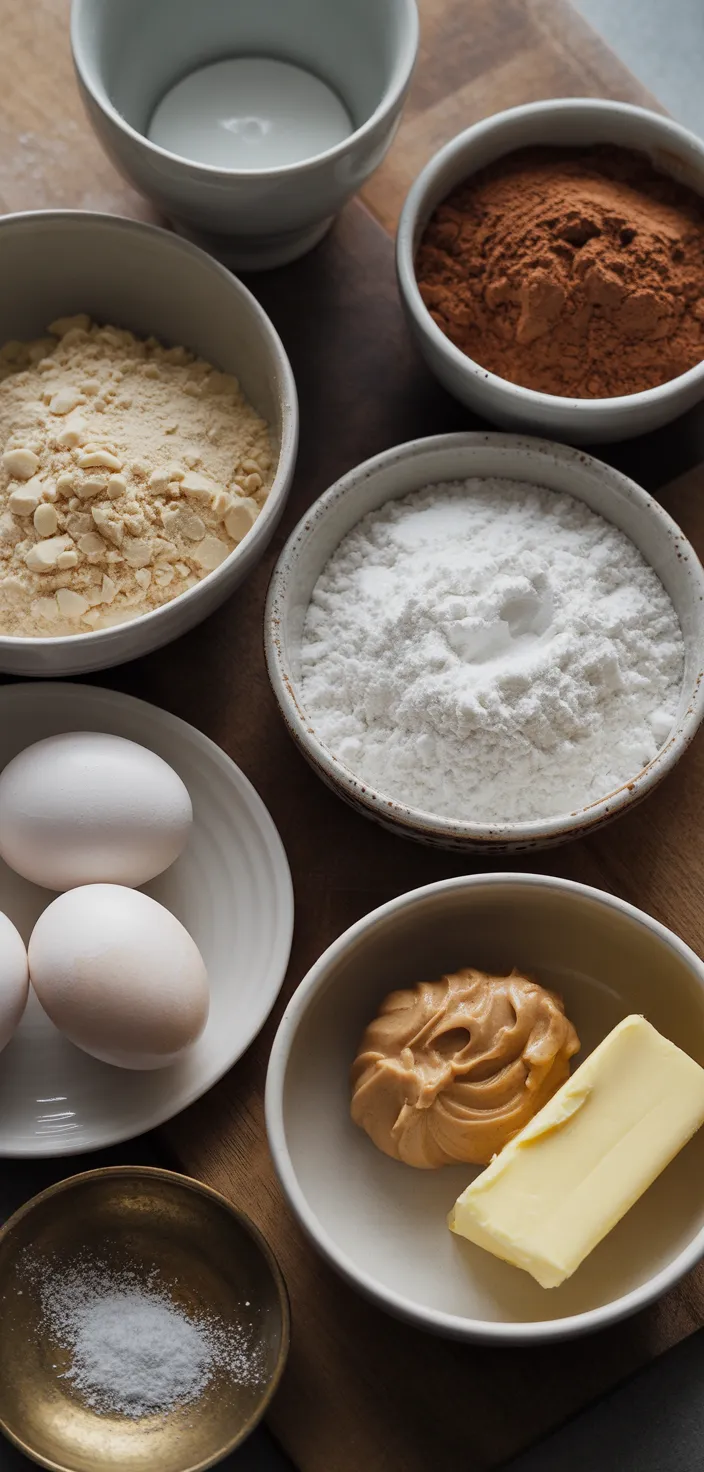
- Egg whites: Mostly protein, help structure, low fat but can dry shells if overbeaten fragile.
- Almond flour: Adds healthy fats, vitamin E, some fiber, nutty flavor, lowers carbs gluten free.
- Powdered sugar: Pure carbs, makes shells sweet and delicate, no real nutrition spikes blood sugar.
- Unsweetened cocoa: Rich in antioxidants, bitter, adds chocolate depth and earthy notes.
- Peanut butter: High protein and fat, creamy, adds saltiness and bold peanut taste.
- Butter: Provides richness, helps filling set, mostly saturated fat, flavor carrier melts easily.
- Vanilla: Small sweetness lift, enhances flavor perception, almost no calories and rounds flavors.
- Cream: Adds silkiness and moisture, increases calories, helps smooth filling makes it softer.
Ingredient Quantities
- for the shells
- egg whites 110 g (about 3 large)
- powdered sugar 200 g (confectioners sugar)
- blanched almond flour 110 g, finely ground
- unsweetened cocoa powder 40 g, sifted
- granulated sugar 50 g
- fine salt pinch
- cream of tartar 1/8 tsp (optional)
- vanilla extract 1/2 tsp (optional)
- for the peanut butter filling
- creamy peanut butter 125 g (about 1/2 cup), smooth is best
- unsalted butter 113 g (1/2 cup), softened
- powdered sugar 180 g (about 1 1/2 cups), sifted
- heavy cream or whole milk 15 30 ml (1 2 tbsp)
- vanilla extract 1/2 tsp
- fine salt pinch, to taste
How to Make this
1. Weigh everything first, then sift together 200 g powdered sugar, 110 g blanched almond flour and 40 g unsweetened cocoa powder into a bowl so there are no lumps.
2. In a clean dry bowl beat 110 g egg whites (room temp) with a pinch of fine salt and 1/8 tsp cream of tartar (optional) until foamy, then slowly add 50 g granulated sugar and keep beating to stiff glossy peaks; stir in 1/2 tsp vanilla if using.
3. Fold the dry mix into the meringue in three additions using a spatula, scraping the sides, and press the batter against the bowl until it flows like lava and you can make a figure 8 that holds for a second. Stop when it becomes shiny and runs slowly.
4. Transfer batter to a piping bag fitted with a plain round tip and pipe even rounds onto a parchment lined or silicone mat covered baking sheet (about 3 to 4 cm / 1 to
1.5 inch rounds). Tap the tray firmly on the counter once or twice to release big air bubbles, and pop any remaining ones with a toothpick.
5. Let piped shells rest at room temp until they form a dry skin on top and are no longer tacky when you touch them lightly, usually 20 to 60 minutes depending on humidity. If your kitchen is humid, give them longer.
6. Preheat oven to 150 C (300 F). Bake one sheet at a time on middle rack for 14 to 16 minutes, rotating halfway if your oven is uneven. They should have feet and not jiggle; they will firm up as they cool.
7. Cool completely on the tray before removing so shells don’t crack. If any shells stick, slide a palette knife under gently to lift.
8. While they cool make the peanut butter filling: beat 113 g softened unsalted butter until smooth, add 125 g creamy peanut butter and beat till combined, then add 180 g sifted powdered sugar a bit at a time. Add 15 to 30 ml heavy cream or whole milk to reach piping consistency, stir in 1/2 tsp vanilla and a pinch of fine salt, taste and adjust.
9. Match shells by size, pipe about a teaspoon to a tablespoon of filling (depending on shell size) onto one shell and sandwich with another, press gently flat so filling reaches edges. If filling is too soft chill 10 to 30 minutes to firm up.
10. For best flavor let macarons mature in an airtight container in the fridge 24 hours, then bring to room temp before serving. Store leftover macarons refrigerated up to 4 to 5 days or freeze for longer storage.
Equipment Needed
1. Digital kitchen scale, for weighing everything first (really helps with macarons)
2. Fine mesh sieve or sifter, to get powdered sugar, almond flour and cocoa lump free
3. Two clean dry mixing bowls, one for the dry mix and one for the egg whites
4. Electric mixer, hand or stand with a whisk attachment, for glossy stiff meringue and for the butter filling
5. Rubber spatula, for gentle folding and scraping the bowl
6. Piping bag with a plain round tip or a disposable bag with the corner cut off, for piping even rounds
7. Baking sheets plus parchment paper or silicone baking mats, for baking the shells
8. Toothpick and a palette knife, to pop big air bubbles and to gently lift any stuck shells
FAQ
Chocolate Peanut Butter Macarons Recipe Substitutions and Variations
- Egg whites 110 g: swap for aquafaba from canned chickpeas, about 2 to 3 tablespoons per egg white, whip to firm peaks. Or use pasteurized liquid egg whites straight from the carton in the same weight, works great. Meringue powder rehydrated per package is another trick, but it behaves a little different.
- Blanched almond flour 110 g: use superfine ground almonds or almond meal sifted to the same weight. For a nut free option try sunflower seed flour, same weight, but it can turn slightly green with cocoa so add a teaspoon lemon juice if that happens. You can also try 100 g cake flour plus 10 g cocoa to approximate texture, though flavor will be less nutty.
- Powdered sugar 200 g: if you run out, make your own by blitzing 180 to 200 g granulated sugar with a tablespoon or two of cornstarch until very fine, then sift. Or use store bought confectioners sugar same weight, just be sure to sift it before folding.
- Creamy peanut butter 125 g for filling: swap with almond butter or cashew butter equal weight for a different but delicious taste. For a lower fat version use peanut butter powder reconstituted with a little water or milk, start with about 80 g powder plus 30 ml liquid and adjust. Or for a chocolate twist use Nutella in the same amount but cut back on extra sugar since it is sweet already.
Pro Tips
– Pulse the almond flour and powdered sugar together in a food processor then sift. It sounds extra but it really cuts down on gritty shells, and you’ll get more consistent feet. Dont skip this even if the flour looks fine.
– Nail the macaronage and the rest time. Fold until the batter flows like lava and holds a slow figure 8, but dont overmix. Let piped rounds sit until they form a dry skin, longer on humid days; if your kitchen is damp, put them in front of a fan or wait extra time, cracking usually means they were rushed.
– Use an oven thermometer and bake one tray at a time on the middle rack. Ovens lie, so 5 degrees can ruin you. If shells spread a lot or have no feet, check both your mixing and oven temp before changing the recipe, little tweaks matter more than drastic changes.
– For the peanut butter filling, beat the butter until totally smooth before adding peanut butter and powdered sugar, it keeps the filling from separating. If the filling is too soft chill it briefly, or add a tablespoon of powdered milk or a bit more sifted sugar to firm up without killing the flavor.
Chocolate Peanut Butter Macarons Recipe
I took inspiration from Peanut Butter Based Desserts to make Reeses macarons with a creamy peanut butter filling and an unexpected technique that solves a common baking problem.
12
servings
340
kcal
Equipment: 1. Digital kitchen scale, for weighing everything first (really helps with macarons)
2. Fine mesh sieve or sifter, to get powdered sugar, almond flour and cocoa lump free
3. Two clean dry mixing bowls, one for the dry mix and one for the egg whites
4. Electric mixer, hand or stand with a whisk attachment, for glossy stiff meringue and for the butter filling
5. Rubber spatula, for gentle folding and scraping the bowl
6. Piping bag with a plain round tip or a disposable bag with the corner cut off, for piping even rounds
7. Baking sheets plus parchment paper or silicone baking mats, for baking the shells
8. Toothpick and a palette knife, to pop big air bubbles and to gently lift any stuck shells
Ingredients
-
for the shells
-
egg whites 110 g (about 3 large)
-
powdered sugar 200 g (confectioners sugar)
-
blanched almond flour 110 g, finely ground
-
unsweetened cocoa powder 40 g, sifted
-
granulated sugar 50 g
-
fine salt pinch
-
cream of tartar 1/8 tsp (optional)
-
vanilla extract 1/2 tsp (optional)
-
for the peanut butter filling
-
creamy peanut butter 125 g (about 1/2 cup), smooth is best
-
unsalted butter 113 g (1/2 cup), softened
-
powdered sugar 180 g (about 1 1/2 cups), sifted
-
heavy cream or whole milk 15 30 ml (1 2 tbsp)
-
vanilla extract 1/2 tsp
-
fine salt pinch, to taste
Directions
- Weigh everything first, then sift together 200 g powdered sugar, 110 g blanched almond flour and 40 g unsweetened cocoa powder into a bowl so there are no lumps.
- In a clean dry bowl beat 110 g egg whites (room temp) with a pinch of fine salt and 1/8 tsp cream of tartar (optional) until foamy, then slowly add 50 g granulated sugar and keep beating to stiff glossy peaks; stir in 1/2 tsp vanilla if using.
- Fold the dry mix into the meringue in three additions using a spatula, scraping the sides, and press the batter against the bowl until it flows like lava and you can make a figure 8 that holds for a second. Stop when it becomes shiny and runs slowly.
- Transfer batter to a piping bag fitted with a plain round tip and pipe even rounds onto a parchment lined or silicone mat covered baking sheet (about 3 to 4 cm / 1 to
- 5 inch rounds). Tap the tray firmly on the counter once or twice to release big air bubbles, and pop any remaining ones with a toothpick.
- Let piped shells rest at room temp until they form a dry skin on top and are no longer tacky when you touch them lightly, usually 20 to 60 minutes depending on humidity. If your kitchen is humid, give them longer.
- Preheat oven to 150 C (300 F). Bake one sheet at a time on middle rack for 14 to 16 minutes, rotating halfway if your oven is uneven. They should have feet and not jiggle; they will firm up as they cool.
- Cool completely on the tray before removing so shells don’t crack. If any shells stick, slide a palette knife under gently to lift.
- While they cool make the peanut butter filling: beat 113 g softened unsalted butter until smooth, add 125 g creamy peanut butter and beat till combined, then add 180 g sifted powdered sugar a bit at a time. Add 15 to 30 ml heavy cream or whole milk to reach piping consistency, stir in 1/2 tsp vanilla and a pinch of fine salt, taste and adjust.
- Match shells by size, pipe about a teaspoon to a tablespoon of filling (depending on shell size) onto one shell and sandwich with another, press gently flat so filling reaches edges. If filling is too soft chill 10 to 30 minutes to firm up.
- For best flavor let macarons mature in an airtight container in the fridge 24 hours, then bring to room temp before serving. Store leftover macarons refrigerated up to 4 to 5 days or freeze for longer storage.
Notes
- Below you’ll find my best estimate of this recipe’s nutrition facts. Treat the numbers as a guide rather than a rule—great food should nourish both body and spirit. Figures are approximate, and the website owner assumes no liability for any inaccuracies in this recipe.
Nutrition Facts
- Serving Size: 80g
- Total number of serves: 12
- Calories: 340kcal
- Fat: 16.9g
- Saturated Fat: 5.9g
- Trans Fat: 0.06g
- Polyunsaturated: 2.5g
- Monounsaturated: 8.4g
- Cholesterol: 25mg
- Sodium: 50mg
- Potassium: 145mg
- Carbohydrates: 40.7g
- Fiber: 2.5g
- Sugar: 36.7g
- Protein: 6.1g
- Vitamin A: 267IU
- Vitamin C: 0mg
- Calcium: 40mg
- Iron: 1.04mg