
I developed an Orange Vanilla Bean Cake that folds whole California oranges into the batter and tops the layers with orange cream cheese frosting along with a clever method for unlocking deep citrus flavor I can hardly keep to myself.
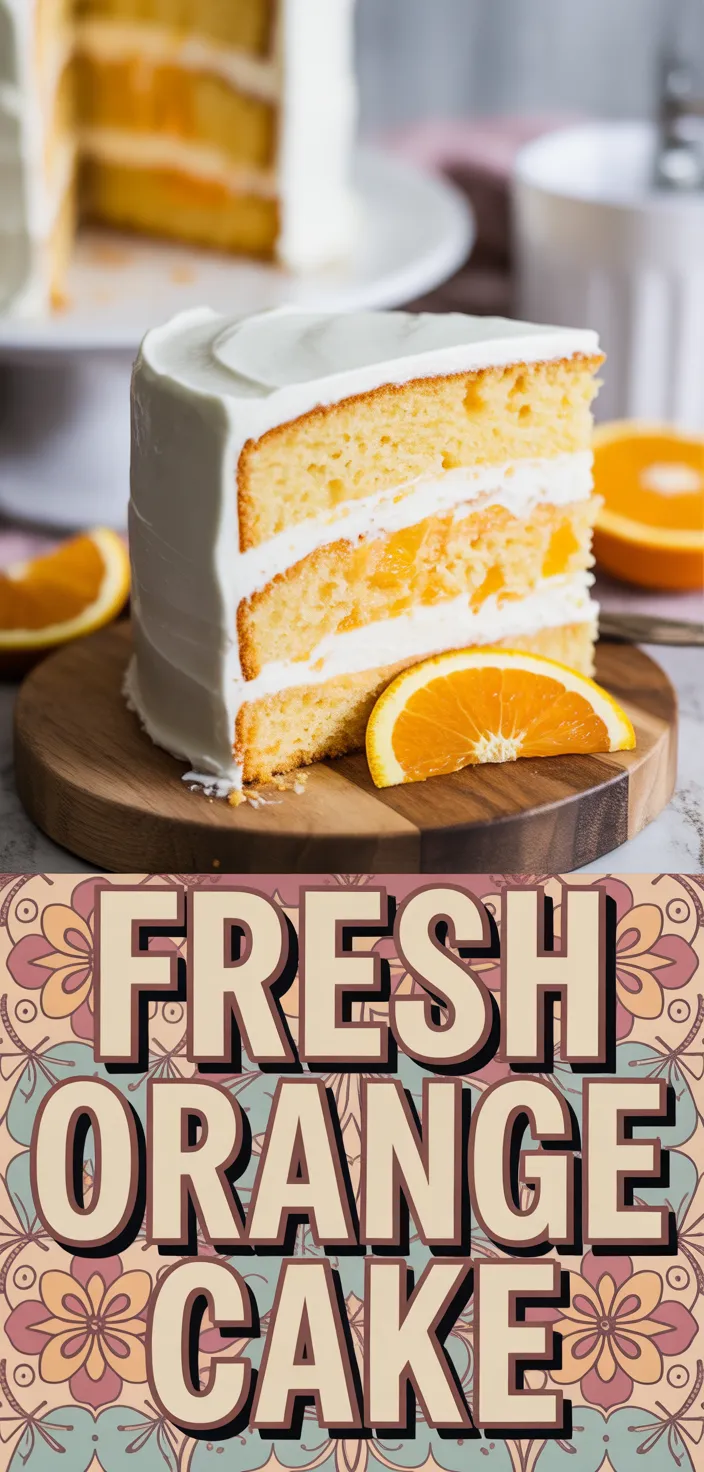
I never thought a layer cake could taste like summer caught in a slice, but this California Orange Layer Cake With Orange Cream Cheese Frosting does just that. It walks a line between a Vanilla Cake With Orange Frosting and a Florida Orange Cake Recipe, bright and kind of surprising.
I used simple staples like all purpose flour and tangy cream cheese for the frosting, and the cake somehow feels delicate yet full of personality. It’s the sort of dessert that makes you pause, take notes with your mouth, and then sneak another bite when nobody’s looking, even if you said you wouldnt.
Ingredients
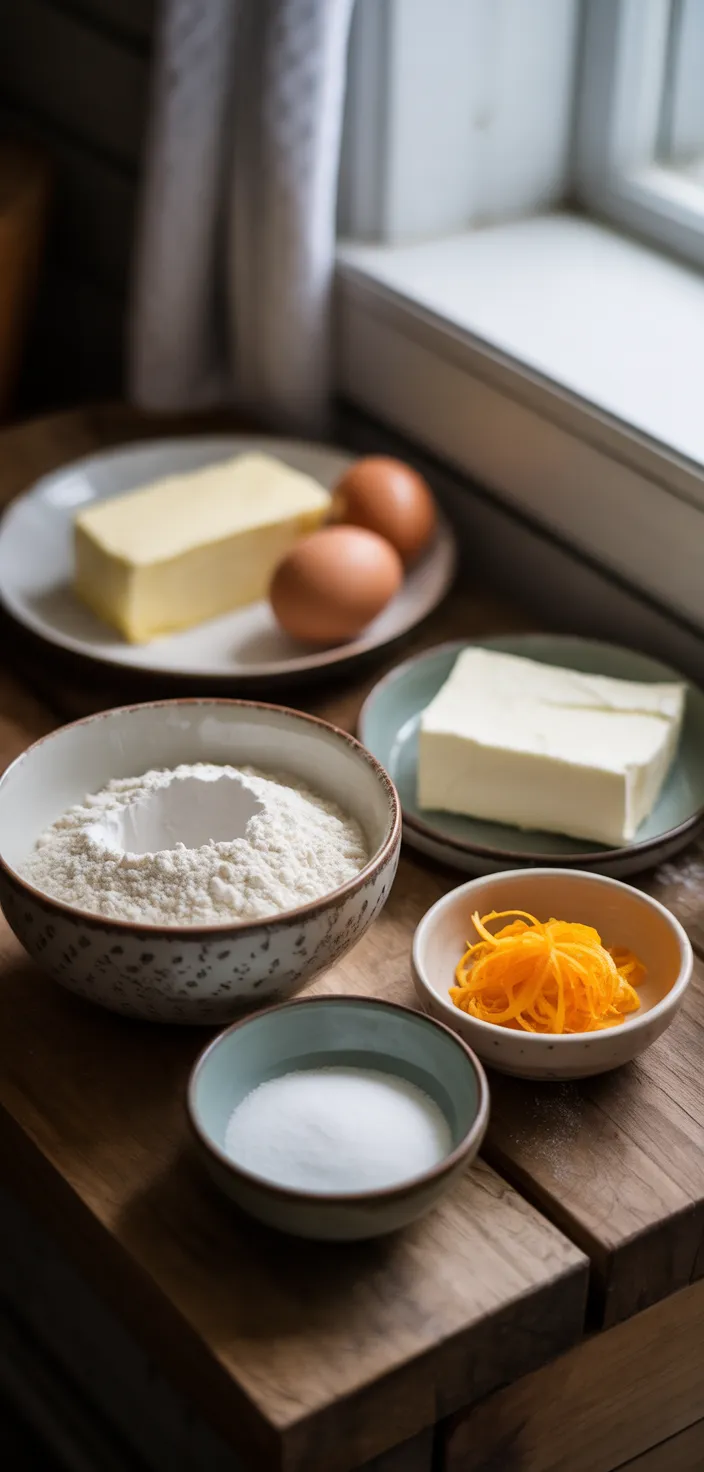
- Main source of carbs and structure, low fiber unless you use whole grain flour.
- Rich in saturated fat and flavor, helps keep cake tender and moist.
- Pure sweetness, adds calories but also helps with browning and texture.
- Provide protein, bind ingredients and add lift, yolks give richness.
- Bright citrus, vitamin C, acidity lifts flavor and balances the sweet.
- Adds mild tang, tender crumb and extra moisture, reacts with baking soda.
- Creamy, tangy frosting adds richness and a counterpoint to sweet orange.
- Helps keep cake moist, neutral flavor and improves crumb without extra butter.
- Small amount boosts flavor perception and rounds citrus notes, subtle warmth.
Ingredient Quantities
- for the cake: 2 1/2 cups (312 g) all purpose flour
- 2 teaspoons baking powder
- 1/2 teaspoon baking soda
- 1 teaspoon fine salt
- 1 cup (2 sticks, 226 g) unsalted butter softened
- 1 3/4 cups (350 g) granulated sugar
- 3 large eggs room temp
- 1 teaspoon pure vanilla extract
- 1/4 cup neutral oil such as vegetable or canola
- 3/4 cup buttermilk
- 3/4 cup fresh orange juice (about 3 oranges)
- 2 tablespoons orange zest (about 2 oranges)
- for the orange cream cheese frosting: 8 ounces (225 g) cream cheese softened
- 1/2 cup (1 stick, 113 g) unsalted butter softened
- 4 cups (480 g) powdered sugar sifted
- 2 tablespoons fresh orange juice
- 1 tablespoon orange zest
- 1/2 teaspoon pure vanilla extract
- pinch fine salt
- for the orange syrup optional: 1/4 cup granulated sugar
- for the orange syrup optional: 1/4 cup fresh orange juice
- garnish optional: thin orange slices or candied orange peel
How to Make this
1. Preheat oven to 350°F (175°C). Grease and flour two 8 or 9 inch round pans and line the bottoms with parchment; measure flour by spooning it into the cup and leveling off so cake isn’t dense. Whisk together 2 1/2 cups flour, 2 teaspoons baking powder, 1/2 teaspoon baking soda, and 1 teaspoon fine salt in a bowl.
2. In a large bowl cream 1 cup (2 sticks) softened unsalted butter with 1 3/4 cups granulated sugar until light and fluffy, about 3 to 4 minutes; scrape the bowl. Add 3 large room temp eggs one at a time, beating after each, then stir in 1 teaspoon vanilla, 1/4 cup neutral oil and 2 tablespoons orange zest. Don’t overbeat or the cake will get tough.
3. Mix 3/4 cup buttermilk with 3/4 cup fresh orange juice in a measuring cup. Add the dry ingredients to the butter mixture in three additions, alternating with the buttermilk/orange juice mixture, beginning and ending with the dry. Mix just until combined, a few small lumps are fine.
4. Divide batter evenly between the prepared pans, smooth tops, and bake at 350°F for about 22 to 28 minutes or until a toothpick inserted in the center comes out with a few moist crumbs, not wet batter. Rotate pans halfway if your oven runs hot.
5. Let cakes cool in pans 10 minutes, then run a knife around edges and invert onto a rack to cool completely. If you want extra moist layers, make the syrup while cakes bake: simmer 1/4 cup granulated sugar with 1/4 cup fresh orange juice until sugar dissolves, cool slightly and brush warm cakes lightly.
6. For the orange cream cheese frosting beat 8 ounces softened cream cheese with 1/2 cup (1 stick) softened unsalted butter until smooth. Gradually add 4 cups sifted powdered sugar, beating on low until incorporated, then add 2 tablespoons fresh orange juice, 1 tablespoon orange zest, 1/2 teaspoon vanilla and a pinch of fine salt; increase speed and whip until silky. If frosting is too soft chill 15 to 30 minutes, if too stiff add a splash more orange juice.
7. If layers domed, level them with a serrated knife. Place one layer on your serving plate, brush with syrup if using, spread about a third of the frosting, press down gently to remove air pockets, then top with second layer and repeat.
8. Do a thin crumb coat of frosting over the whole cake to trap crumbs, refrigerate 15 to 30 minutes to set, then apply the final thicker coat and smooth with an offset spatula. Reserve a little frosting for piping if you want decorative edges.
9. Garnish with thin fresh orange slices or candied orange peel. Keep the finished cake refrigerated because of the cream cheese frosting, but let it sit at room temp 20 to 30 minutes before serving so it’s soft and full of orange flavor.
Equipment Needed
1. Two 8 or 9 inch round cake pans, plus parchment rounds and something to grease them
2. Electric mixer (stand or hand) for creaming the butter and whipping the frosting
3. Mixing bowls, at least one large and one medium
4. Measuring cups and spoons, plus a liquid measuring cup (or a kitchen scale if you like accuracy)
5. Whisk for the dry ingredients and for the syrup
6. Rubber spatula for scraping, and an offset spatula for smoothing the frosting
7. Serrated knife or cake leveler for trimming domes, and a cooling rack to cool the layers
8. Small saucepan and a pastry brush for the orange syrup
9. Microplane zester and a citrus juicer or reamer for juice and zest
FAQ
Fresh Orange Cake Recipe Substitutions and Variations
- Buttermilk: use 3/4 cup plain full-fat yogurt thinned with a little milk until pourable, or make quick buttermilk by stirring 3/4 cup milk with about 1 tablespoon lemon juice or vinegar, wait 5 minutes, then use — both work fine
- Unsalted butter: swap with equal amount salted butter but cut the recipe salt by about 1/2 teaspoon; for dairy-free use vegan butter 1:1 or a neutral oil (oil gives a moister, slightly denser crumb)
- Cream cheese (frosting): use mascarpone 1:1 for a richer, silkier frosting, or replace up to half with well strained full-fat Greek yogurt for tang (chill the frosting if it gets too loose)
- Fresh orange juice: bottled 100% orange juice can be used same measure, or try tangerine/clementine juice for a sweeter note; if using frozen concentrate, reconstitute to taste
Pro Tips
1. Zest before you juice the oranges, it’s way easier and you won’t waste any bright oils. Use a fine microplane and stop as soon as you see the white pith, that part is bitter and will kill the fresh orange flavor.
2. Get eggs, butter and buttermilk close to room temp but not melty, they blend smoother and the cake rises more even. When you combine dry and wet ingredients mix only until just combined, overmixing makes the crumb tough.
3. Make the simple orange syrup and brush warm cakes lightly so it soaks in; poke a few shallow holes with a skewer first so the syrup penetrates. Don’t overdo it though, you want moist layers not soggy ones.
4. Keep the cream cheese cold until it’s time to soften, and if the frosting gets too loose chill it for 15 to 30 minutes before piping. For a silky finish warm your spatula in hot water, dry it, then smooth the final coat; also chill the finished cake briefly before slicing for cleaner cuts.
Fresh Orange Cake Recipe
I developed an Orange Vanilla Bean Cake that folds whole California oranges into the batter and tops the layers with orange cream cheese frosting along with a clever method for unlocking deep citrus flavor I can hardly keep to myself.
12
servings
715
kcal
Equipment: 1. Two 8 or 9 inch round cake pans, plus parchment rounds and something to grease them
2. Electric mixer (stand or hand) for creaming the butter and whipping the frosting
3. Mixing bowls, at least one large and one medium
4. Measuring cups and spoons, plus a liquid measuring cup (or a kitchen scale if you like accuracy)
5. Whisk for the dry ingredients and for the syrup
6. Rubber spatula for scraping, and an offset spatula for smoothing the frosting
7. Serrated knife or cake leveler for trimming domes, and a cooling rack to cool the layers
8. Small saucepan and a pastry brush for the orange syrup
9. Microplane zester and a citrus juicer or reamer for juice and zest
Ingredients
-
for the cake: 2 1/2 cups (312 g) all purpose flour
-
2 teaspoons baking powder
-
1/2 teaspoon baking soda
-
1 teaspoon fine salt
-
1 cup (2 sticks, 226 g) unsalted butter softened
-
1 3/4 cups (350 g) granulated sugar
-
3 large eggs room temp
-
1 teaspoon pure vanilla extract
-
1/4 cup neutral oil such as vegetable or canola
-
3/4 cup buttermilk
-
3/4 cup fresh orange juice (about 3 oranges)
-
2 tablespoons orange zest (about 2 oranges)
-
for the orange cream cheese frosting: 8 ounces (225 g) cream cheese softened
-
1/2 cup (1 stick, 113 g) unsalted butter softened
-
4 cups (480 g) powdered sugar sifted
-
2 tablespoons fresh orange juice
-
1 tablespoon orange zest
-
1/2 teaspoon pure vanilla extract
-
pinch fine salt
-
for the orange syrup optional: 1/4 cup granulated sugar
-
for the orange syrup optional: 1/4 cup fresh orange juice
-
garnish optional: thin orange slices or candied orange peel
Directions
- Preheat oven to 350°F (175°C). Grease and flour two 8 or 9 inch round pans and line the bottoms with parchment; measure flour by spooning it into the cup and leveling off so cake isn't dense. Whisk together 2 1/2 cups flour, 2 teaspoons baking powder, 1/2 teaspoon baking soda, and 1 teaspoon fine salt in a bowl.
- In a large bowl cream 1 cup (2 sticks) softened unsalted butter with 1 3/4 cups granulated sugar until light and fluffy, about 3 to 4 minutes; scrape the bowl. Add 3 large room temp eggs one at a time, beating after each, then stir in 1 teaspoon vanilla, 1/4 cup neutral oil and 2 tablespoons orange zest. Don't overbeat or the cake will get tough.
- Mix 3/4 cup buttermilk with 3/4 cup fresh orange juice in a measuring cup. Add the dry ingredients to the butter mixture in three additions, alternating with the buttermilk/orange juice mixture, beginning and ending with the dry. Mix just until combined, a few small lumps are fine.
- Divide batter evenly between the prepared pans, smooth tops, and bake at 350°F for about 22 to 28 minutes or until a toothpick inserted in the center comes out with a few moist crumbs, not wet batter. Rotate pans halfway if your oven runs hot.
- Let cakes cool in pans 10 minutes, then run a knife around edges and invert onto a rack to cool completely. If you want extra moist layers, make the syrup while cakes bake: simmer 1/4 cup granulated sugar with 1/4 cup fresh orange juice until sugar dissolves, cool slightly and brush warm cakes lightly.
- For the orange cream cheese frosting beat 8 ounces softened cream cheese with 1/2 cup (1 stick) softened unsalted butter until smooth. Gradually add 4 cups sifted powdered sugar, beating on low until incorporated, then add 2 tablespoons fresh orange juice, 1 tablespoon orange zest, 1/2 teaspoon vanilla and a pinch of fine salt; increase speed and whip until silky. If frosting is too soft chill 15 to 30 minutes, if too stiff add a splash more orange juice.
- If layers domed, level them with a serrated knife. Place one layer on your serving plate, brush with syrup if using, spread about a third of the frosting, press down gently to remove air pockets, then top with second layer and repeat.
- Do a thin crumb coat of frosting over the whole cake to trap crumbs, refrigerate 15 to 30 minutes to set, then apply the final thicker coat and smooth with an offset spatula. Reserve a little frosting for piping if you want decorative edges.
- Garnish with thin fresh orange slices or candied orange peel. Keep the finished cake refrigerated because of the cream cheese frosting, but let it sit at room temp 20 to 30 minutes before serving so it's soft and full of orange flavor.
Notes
- Below you’ll find my best estimate of this recipe’s nutrition facts. Treat the numbers as a guide rather than a rule—great food should nourish both body and spirit. Figures are approximate, and the website owner assumes no liability for any inaccuracies in this recipe.
Nutrition Facts
- Serving Size: 189g
- Total number of serves: 12
- Calories: 715kcal
- Fat: 35.7g
- Saturated Fat: 19g
- Trans Fat: 0.52g
- Polyunsaturated: 1.09g
- Monounsaturated: 10.6g
- Cholesterol: 126mg
- Sodium: 433mg
- Potassium: 111mg
- Carbohydrates: 91.5g
- Fiber: 0.75g
- Sugar: 71.5g
- Protein: 5.85g
- Vitamin A: 311IU
- Vitamin C: 8.3mg
- Calcium: 49mg
- Iron: 0.58mg