
I finally perfected my Italian Lemon Pound Cake with a surprising pantry swap that keeps the crumb impossibly moist and brightens the citrus flavor without overpowering it.
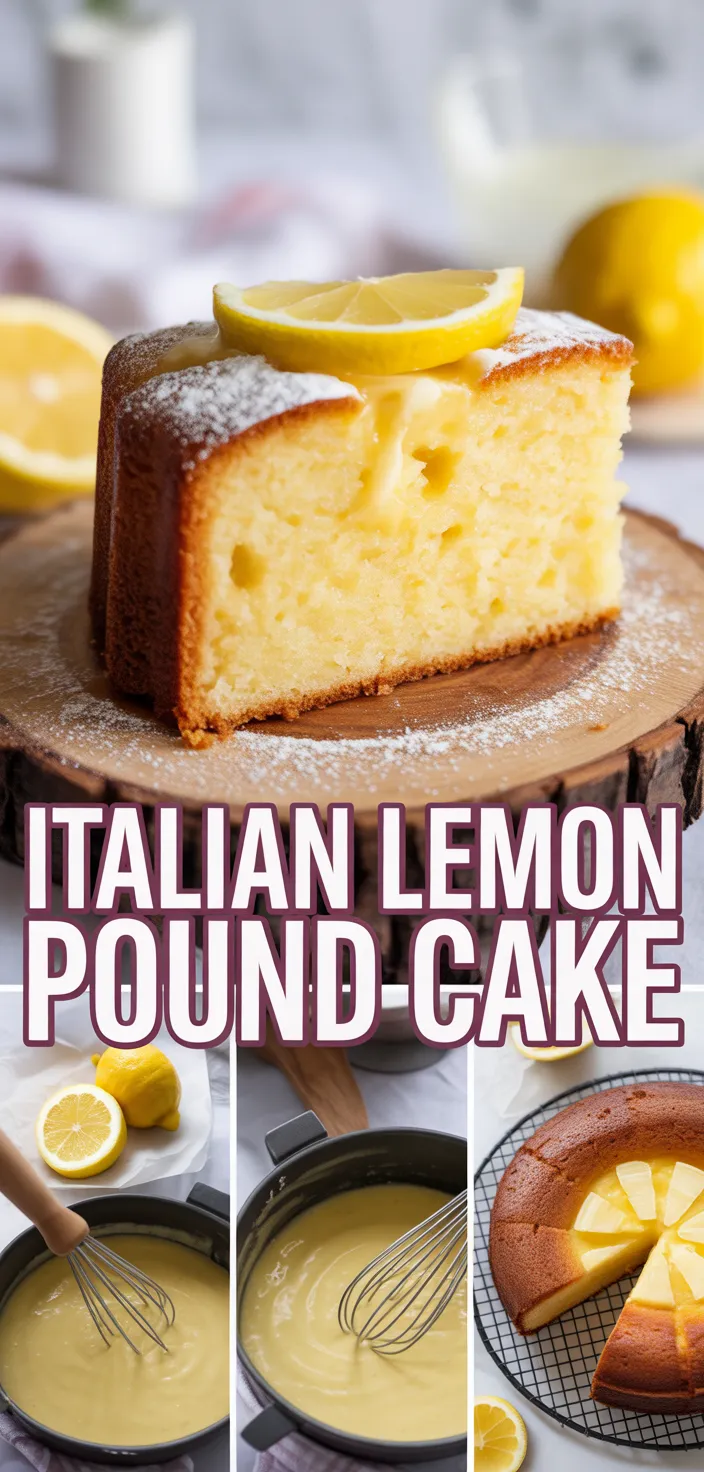
I never expected a single cake to become my go-to, but this Italian Lemon Pound Cake Recipe did just that. I love using whole milk ricotta because it makes the crumb unbelievably moist, and a generous hit of lemon zest gives every bite that bright, almost tangy wake-up.
The texture is rich yet light, and when I add the glaze it turns into something honestly irresistible, so yep Italian Lemon Pound Cake With Glaze is exactly what it sounds like. I mess up bakes sometimes, but this one keeps pulling me back for another slice, no regrets.
Ingredients
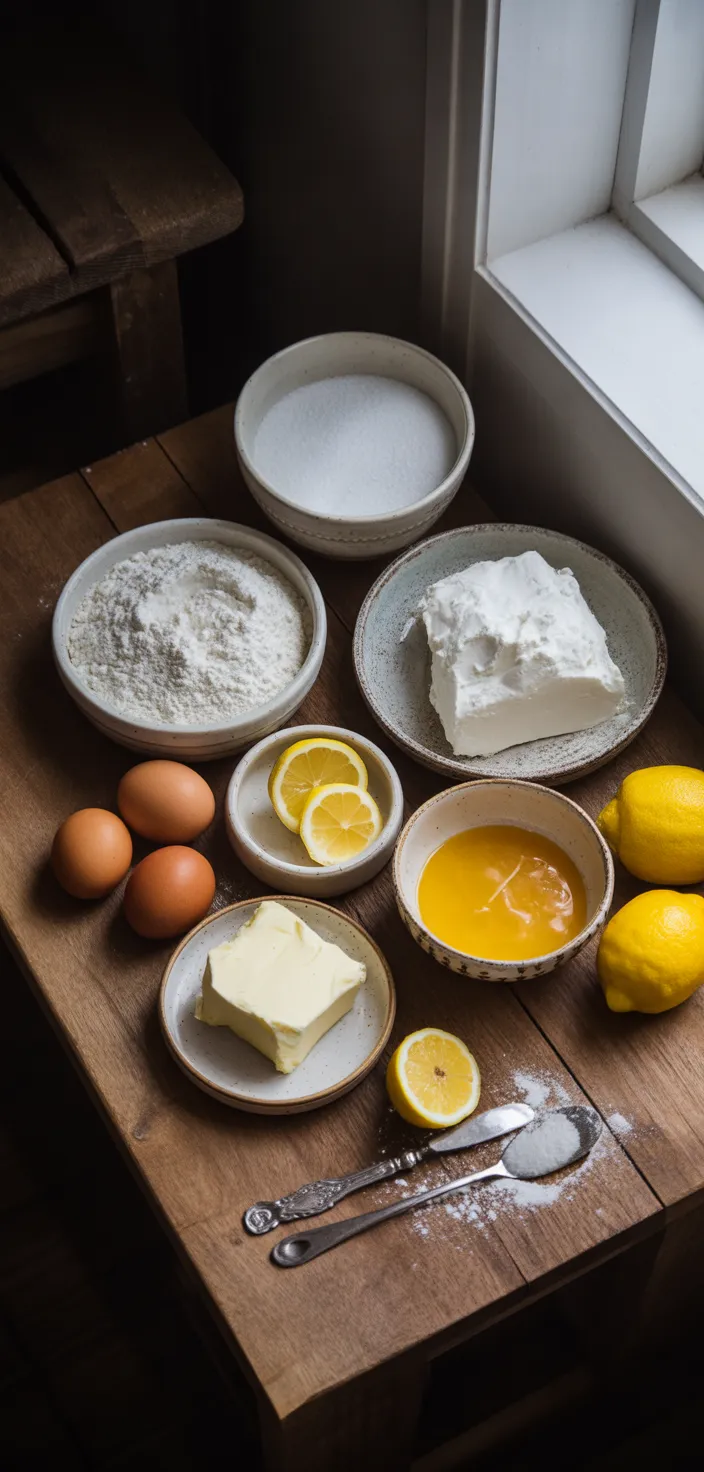
- All purpose flour: provides carbs and structure, little fiber, makes crumb tender when not overmixed.
- Unsalted butter: rich in fat and flavor, adds moistness and a buttery mouthfeel.
- Granulated sugar: gives sweetness, drives browning and texture, adds calories not much nutrients.
- Eggs: add protein and structure, help bind and leaven, yolks give richness.
- Whole milk ricotta: adds creamy protein and moisture, lighter than cream cheese, subtle tang.
- Lemon zest and juice: bright citrusy sour and fragrant oils, cuts sweetness, fresh flavor.
- Powdered sugar glaze: pure sweet, smooth finish, simple carbs and shine, little nutrition.
Ingredient Quantities
- 2 1/2 cups (312 g) all purpose flour
- 1 teaspoon baking powder
- 1/2 teaspoon baking soda
- 1/2 teaspoon fine salt
- 1 cup (227 g) unsalted butter, softened
- 1 1/2 cups (300 g) granulated sugar
- 3 large eggs, room temp
- 1 cup (245 g) whole milk ricotta
- 2 tablespoons lemon zest (about 2 lemons)
- 1/3 cup (80 ml) fresh lemon juice
- 1 teaspoon pure vanilla extract
- 2 tablespoons whole milk
- 1 1/2 cups (180 g) powdered sugar for the glaze
- 2 to 3 tablespoons fresh lemon juice for the glaze
- pinch of salt for the glaze
How to Make this
1. Preheat your oven to 325°F (163°C). Grease and line a 9×5 loaf pan with parchment, then grease the parchment so the cake releases easy.
2. In a medium bowl whisk together 2 1/2 cups all purpose flour, 1 teaspoon baking powder, 1/2 teaspoon baking soda and 1/2 teaspoon fine salt until evenly mixed.
3. In a large bowl or stand mixer beat 1 cup unsalted butter (softened) and 1 1/2 cups granulated sugar on medium speed until pale and fluffy, about 3 to 4 minutes. Scrape the bowl as needed.
4. Add the 3 large eggs one at a time, beating just until each is incorporated, then mix in 1 cup whole milk ricotta, 2 tablespoons lemon zest, 1/3 cup fresh lemon juice and 1 teaspoon vanilla extract until smooth. Don’t worry if it looks a little lumpy from the ricotta.
5. With the mixer on low, add the flour mixture in about three additions alternating with 2 tablespoons whole milk, beginning and ending with the flour mixture, and mix only until just combined. You want a smooth batter but don’t overmix.
6. Spoon the batter into the prepared pan, smooth the top and tap the pan on the counter a couple times to release big air bubbles. Bake until the top is golden and a skewer inserted in the center comes out with a few moist crumbs, about 60 to 75 minutes depending on your oven. If it browns too fast tent loosely with foil.
7. Let the cake cool in the pan for about 10 to 15 minutes, then run a knife around the edges and invert onto a wire rack to cool completely before glazing.
8. For the glaze sift 1 1/2 cups powdered sugar into a bowl, add 2 to 3 tablespoons fresh lemon juice and a pinch of salt, then whisk until smooth. Add more lemon juice a little at a time if you want a thinner drizzle.
9. When the cake is completely cool, drizzle the glaze over the top letting it run down the sides, let it set for at least 15 minutes, then slice and enjoy. Store covered at room temp up to 3 days.
Equipment Needed
1. 9×5 loaf pan, parchment paper and butter or nonstick spray to grease
2. Medium mixing bowl for the dry ingredients
3. Large mixing bowl or stand mixer with paddle attachment or a hand mixer, whichever you got
4. Whisk for the dry mix and the glaze
5. Rubber spatula for scraping and folding (and smoothing the batter)
6. Measuring cups and spoons (and a kitchen scale if you like to be exact)
7. Microplane or zester for the lemon zest
8. Metal skewer or toothpick to test doneness
9. Wire cooling rack to cool the cake completely
10. Fine mesh sieve or sifter for the powdered sugar glaze
FAQ
Italian Lemon Pound Cake Recipe Substitutions and Variations
- All purpose flour
- Cake flour — for a lighter, softer crumb; to swap, use cake flour plus 2 Tbsp cornstarch for each cup AP called for, sift well.
- Whole wheat pastry flour — 1:1 sub but expect a denser cake, add 1–2 Tbsp extra milk or let batter rest 10–15 min to hydrate.
- 1:1 gluten free flour blend (with xanthan gum) — use equal weight (312 g), texture will differ but it works if the blend is labeled for cakes.
- Whole milk ricotta
- Mascarpone — same volume, richer and silkier, less tang.
- Full fat Greek yogurt (well strained) — use 1 cup, gives a bit more tang and slightly less fat.
- Blended cottage cheese — blend until smooth, use 1 cup, similar moisture and structure.
- Unsalted butter
- Salted butter — use same weight, omit or reduce added salt in the batter (skip the 1/2 tsp).
- Ghee or clarified butter — same weight, add 1–2 Tbsp milk to replace lost water, cake may be a touch richer.
- Refined coconut oil (solid) — same weight, neutral flavor; if you use unrefined expect coconut notes.
- Powdered sugar (for glaze)
- Homemade powdered sugar — blitz granulated sugar with 1 Tbsp cornstarch per cup in a blender until very fine (1 cup granulated + 1 Tbsp cornstarch makes about 1 cup powdered).
- Confectioners style erythritol (powdered) — 1:1 for a lower sugar option, note slight cooling aftertaste.
- Lemon syrup glaze (no powdered sugar) — simmer equal parts lemon juice and granulated sugar until thick, cool and drizzle, texture differs but flavor is bright.
Pro Tips
– Let everything come to room temp first. Cold eggs or butter make the batter seize or curdle, so plan ahead. Beat the butter and sugar until really pale and fluffy, it’s worth the extra minute or two for a lighter crumb.
– If your ricotta looks wet or grainy, drain it in a fine mesh for 15 to 30 minutes or blitz it briefly in a food processor. That removes excess moisture and prevents pockets of wet ricotta, and gives a silkier cake.
– Mix the flour in gently and stop as soon as it’s combined, otherwise you’ll get a dense, tough loaf. Work in the flour in a few additions and scrape the bowl, but dont overwork it.
– For the glaze, add the lemon juice slowly. Start with less so you dont make it too runny, you can always thin a thick glaze with more juice. If you want the cake extra moist brush the cooled loaf with a little simple syrup or strained lemon juice before glazing.
Italian Lemon Pound Cake Recipe
I finally perfected my Italian Lemon Pound Cake with a surprising pantry swap that keeps the crumb impossibly moist and brightens the citrus flavor without overpowering it.
12
servings
449
kcal
Equipment: 1. 9×5 loaf pan, parchment paper and butter or nonstick spray to grease
2. Medium mixing bowl for the dry ingredients
3. Large mixing bowl or stand mixer with paddle attachment or a hand mixer, whichever you got
4. Whisk for the dry mix and the glaze
5. Rubber spatula for scraping and folding (and smoothing the batter)
6. Measuring cups and spoons (and a kitchen scale if you like to be exact)
7. Microplane or zester for the lemon zest
8. Metal skewer or toothpick to test doneness
9. Wire cooling rack to cool the cake completely
10. Fine mesh sieve or sifter for the powdered sugar glaze
Ingredients
-
2 1/2 cups (312 g) all purpose flour
-
1 teaspoon baking powder
-
1/2 teaspoon baking soda
-
1/2 teaspoon fine salt
-
1 cup (227 g) unsalted butter, softened
-
1 1/2 cups (300 g) granulated sugar
-
3 large eggs, room temp
-
1 cup (245 g) whole milk ricotta
-
2 tablespoons lemon zest (about 2 lemons)
-
1/3 cup (80 ml) fresh lemon juice
-
1 teaspoon pure vanilla extract
-
2 tablespoons whole milk
-
1 1/2 cups (180 g) powdered sugar for the glaze
-
2 to 3 tablespoons fresh lemon juice for the glaze
-
pinch of salt for the glaze
Directions
- Preheat your oven to 325°F (163°C). Grease and line a 9×5 loaf pan with parchment, then grease the parchment so the cake releases easy.
- In a medium bowl whisk together 2 1/2 cups all purpose flour, 1 teaspoon baking powder, 1/2 teaspoon baking soda and 1/2 teaspoon fine salt until evenly mixed.
- In a large bowl or stand mixer beat 1 cup unsalted butter (softened) and 1 1/2 cups granulated sugar on medium speed until pale and fluffy, about 3 to 4 minutes. Scrape the bowl as needed.
- Add the 3 large eggs one at a time, beating just until each is incorporated, then mix in 1 cup whole milk ricotta, 2 tablespoons lemon zest, 1/3 cup fresh lemon juice and 1 teaspoon vanilla extract until smooth. Don’t worry if it looks a little lumpy from the ricotta.
- With the mixer on low, add the flour mixture in about three additions alternating with 2 tablespoons whole milk, beginning and ending with the flour mixture, and mix only until just combined. You want a smooth batter but don’t overmix.
- Spoon the batter into the prepared pan, smooth the top and tap the pan on the counter a couple times to release big air bubbles. Bake until the top is golden and a skewer inserted in the center comes out with a few moist crumbs, about 60 to 75 minutes depending on your oven. If it browns too fast tent loosely with foil.
- Let the cake cool in the pan for about 10 to 15 minutes, then run a knife around the edges and invert onto a wire rack to cool completely before glazing.
- For the glaze sift 1 1/2 cups powdered sugar into a bowl, add 2 to 3 tablespoons fresh lemon juice and a pinch of salt, then whisk until smooth. Add more lemon juice a little at a time if you want a thinner drizzle.
- When the cake is completely cool, drizzle the glaze over the top letting it run down the sides, let it set for at least 15 minutes, then slice and enjoy. Store covered at room temp up to 3 days.
Notes
- Below you’ll find my best estimate of this recipe’s nutrition facts. Treat the numbers as a guide rather than a rule—great food should nourish both body and spirit. Figures are approximate, and the website owner assumes no liability for any inaccuracies in this recipe.
Nutrition Facts
- Serving Size: 113g
- Total number of serves: 12
- Calories: 449kcal
- Fat: 19.6g
- Saturated Fat: 11.9g
- Trans Fat: 0.21g
- Polyunsaturated: 0.8g
- Monounsaturated: 5g
- Cholesterol: 90.5mg
- Sodium: 230mg
- Potassium: 78mg
- Carbohydrates: 61.1g
- Fiber: 1.1g
- Sugar: 41.1g
- Protein: 6.6g
- Vitamin A: 250IU
- Vitamin C: 4.2mg
- Calcium: 48mg
- Iron: 0.58mg