
I finally nailed a Very Moist Vanilla Cake that looks homemade but fools everyone into thinking you hired a baker, so keep scrolling.
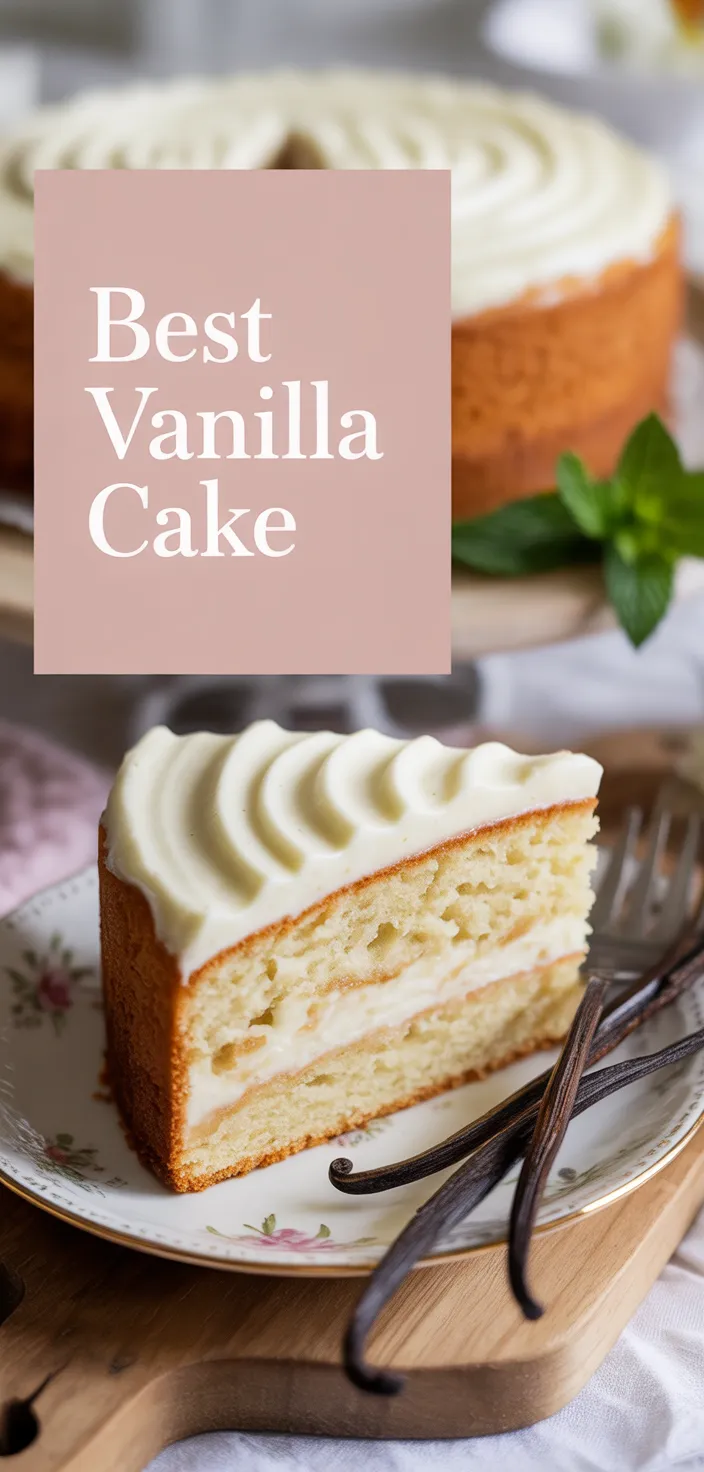
I’m obsessed with this Best Vanilla Cake Recipe because it tastes like Sunday afternoon without being boring. I love the way simple things pop, real butter and pure vanilla extract, not fake shortcuts.
It’s a Very Moist Vanilla Cake that actually stays tender for days, which matters when you want leftovers that don’t feel stale. I adore the crumb, the clean vanilla flavor, the kind of hit that makes people quiet at the table.
But it looks homemade and impressive at the same time. Easy to dress up, impossible to ignore.
Plain truth: this cake makes every celebration feel earned.
Ingredients
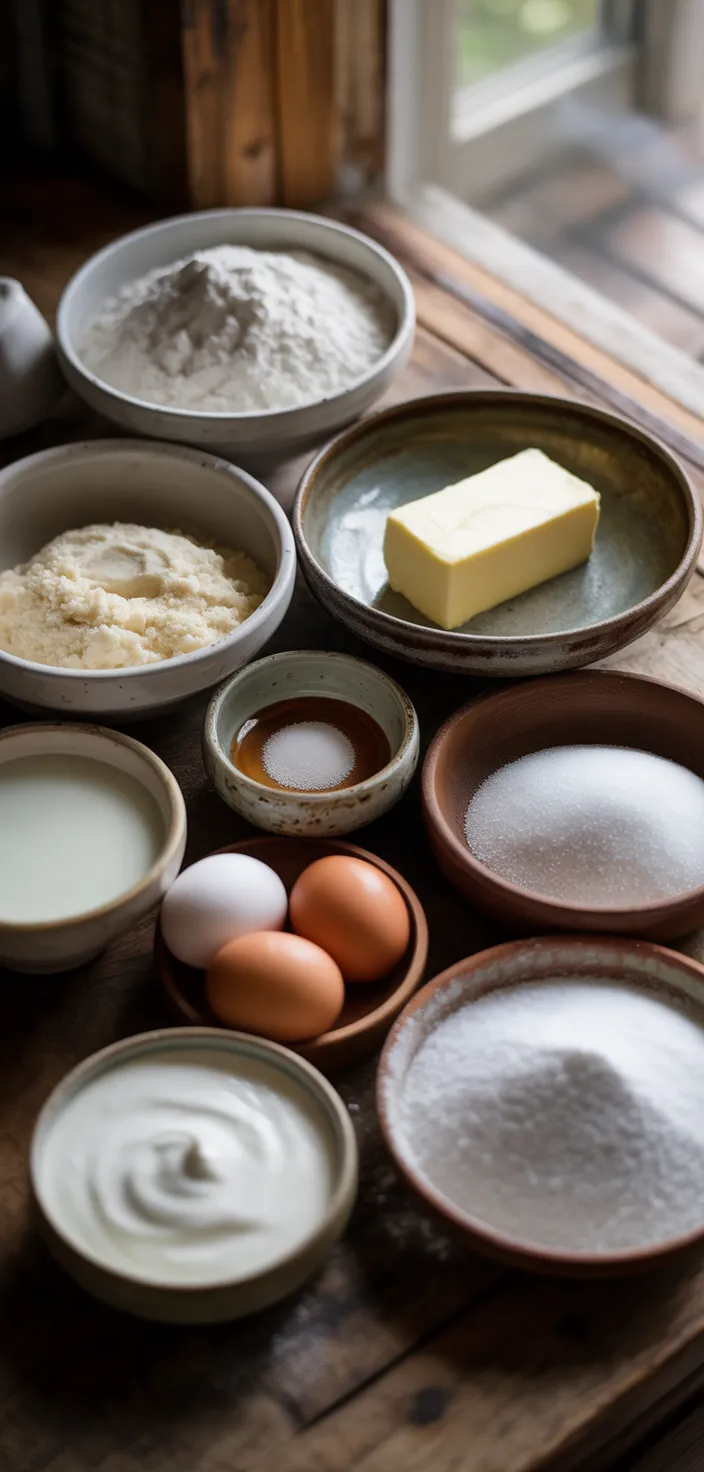
- Flour: the cake’s structure, makes it tall and soft when you don’t overwork it.
- Baking powder: gives lift, keeps the crumb light and not heavy.
- Salt: balances sweetness, makes everything taste more like real vanilla.
- Butter (cake): richness and moisture, it’s what makes slices feel indulgent.
- Sugar: sweetness and tiny pockets of tenderness in the crumb.
- Eggs: bind and add body, help the cake rise and hold shape.
- Vanilla extract (cake): pure warmth, it smells like home when it bakes.
- Milk: thins the batter so it pours and bakes evenly.
- Sour cream or yogurt: adds tang and extra moistness, keeps it tender.
- Plus almond extract: a whisper of nuttiness if you want depth.
- Butter (frosting): makes the frosting creamy and spreadable, very rich.
- Powdered sugar: sweetness and structure for silky, pipeable buttercream.
- Heavy cream or milk: loosens frosting, makes it smoother and less sweet.
- Vanilla extract (frosting): more vanilla punch, ties cake and frosting together.
- Pinch of salt: cuts sweetness and brings balance to the frosting.
Ingredient Quantities
- For the cake:
- 2 2/3 cups (320 g) all-purpose flour
- 2 1/2 teaspoons baking powder
- 1/2 teaspoon kosher salt
- 1 cup (226 g) unsalted butter, softened
- 1 3/4 cups (350 g) granulated sugar
- 4 large eggs, room temp
- 1 tablespoon pure vanilla extract
- 1 cup whole milk, room temp
- 1/2 cup sour cream or plain yogurt, room temp
- Optional: 1/4 teaspoon almond extract for extra depth
- For the vanilla buttercream:
- 1 1/2 cups (340 g) unsalted butter, softened
- 6 cups (720 g) powdered sugar, sifted
- 2 to 3 tablespoons heavy cream or whole milk, more if needed
- 2 teaspoons pure vanilla extract
- Pinch of salt to taste
How to Make this
1. Preheat oven to 350°F (175°C). Grease and flour two 9-inch cake pans or line with parchment, then set aside so they’re ready when batter is mixed.
2. Whisk together 2 2/3 cups (320 g) all purpose flour, 2 1/2 teaspoons baking powder and 1/2 teaspoon kosher salt in a bowl; set that aside.
3. In a large bowl beat 1 cup (226 g) softened unsalted butter with 1 3/4 cups (350 g) granulated sugar until light and fluffy, about 3 to 4 minutes; scrape the bowl once or twice so no pockets of butter remain.
4. Add 4 room temperature large eggs one at a time, beating briefly after each addition until just combined. Stir in 1 tablespoon pure vanilla extract and the optional 1/4 teaspoon almond extract if using.
5. With mixer on low, add the dry ingredients in three additions, alternating with 1 cup whole milk and 1/2 cup sour cream or plain yogurt (both at room temp), beginning and ending with the dry ingredients. Mix until just combined, avoid over mixing.
6. Divide batter evenly between prepared pans, smooth tops and tap the pans on the counter once to release big air bubbles. Bake for 25 to 30 minutes or until a toothpick inserted into the center comes out clean or with a few moist crumbs.
7. Cool cakes in pans 10 minutes, then run a knife around edges and invert onto a wire rack to cool completely before frosting. If you rush the frosting you’ll get a melty mess, so be patient.
8. For the frosting, beat 1 1/2 cups (340 g) softened unsalted butter until very smooth, then gradually add 6 cups (720 g) sifted powdered sugar on low, increasing speed as it combines. Add 2 teaspoons pure vanilla extract, a pinch of salt, and 2 to 3 tablespoons heavy cream or whole milk; beat until light and spreadable. Add more cream if it seems too stiff.
9. If cakes have domes, level them with a serrated knife. Place one layer on your cake plate, spread a generous layer of buttercream, top with second cake, then crumb coat with a thin layer of frosting and chill 15 minutes to set. Finish with a final thick coat of frosting and smooth or texture as you like.
10. Chill briefly to set, then bring to room temperature before serving for the best flavor and texture. Store covered at room temp for up to 2 days or refrigerate up to 5 days; let cake come to room temp before eating if chilled.
Equipment Needed
1. Two 9-inch round cake pans (greased and/or lined with parchment)
2. Electric hand mixer or stand mixer with paddle attachment
3. Mixing bowls (one large, one medium)
4. Dry and liquid measuring cups plus measuring spoons
5. Rubber spatula and a sturdy spoon for scraping and folding
6. Whisk for dry ingredients and smoothing batter
7. Serrated knife or cake leveler and an offset spatula for frosting
8. Wire cooling rack and a toothpick for doneness testing
FAQ
The Best Vanilla Cake Recipe (Reader Favorite!) Substitutions and Variations
- All-purpose flour: swap with cake flour for a lighter crumb — use about 2 1/3 cups cake flour (or weigh 300 g) instead of 2 2/3 cups AP; if you only have AP, remove 4 tablespoons per cup and add 4 tablespoons cornstarch to mimic cake flour.
- Unsalted butter: you can use neutral vegetable oil for a moist cake; use 3�4 cup (180 ml) oil in place of 1 cup butter and omit some liquid if the batter seems too loose. Oil keeps it tender but you lose a bit of butter flavor.
- Whole milk + sour cream: replace both with 1 1�2 cups buttermilk for tang and tender crumb; if you do this, drop baking powder to about 2 teaspoons to keep the rise balanced.
- Eggs: for a vegan or egg-free option use ground flaxseed “eggs” — mix 4 tablespoons flaxmeal with 12 tablespoons warm water, let sit 5 minutes till gelled, then use in place of the 4 large eggs.
Pro Tips
1) Weigh the flour if you can. Cup measures lie. Using 320 grams for the flour gives a more consistent texture so you won’t end up with a dense cake or one that falls flat.
2) Get everything truly room temperature. Cold eggs or butter make the batter seize and you wont get that light, fluffy crumb. If you forget, put eggs in warm water for 10 minutes, and soften butter in 10 second microwave bursts, not long enough to melt.
3) Don’t overmix once the flour goes in. Mix just until you can’t see streaks of flour. Overworking the batter makes a tough cake. Fold with a spatula the last bit if your mixer looks like it’s struggling.
4) Chill for a proper crumb coat and let the finished cake come back to room temp before serving. If you skip the 15 minute chill the frosting will slide, and if you serve it cold the flavors are muted.
The Best Vanilla Cake Recipe (Reader Favorite!)
I finally nailed a Very Moist Vanilla Cake that looks homemade but fools everyone into thinking you hired a baker, so keep scrolling.
12
servings
851
kcal
Equipment: 1. Two 9-inch round cake pans (greased and/or lined with parchment)
2. Electric hand mixer or stand mixer with paddle attachment
3. Mixing bowls (one large, one medium)
4. Dry and liquid measuring cups plus measuring spoons
5. Rubber spatula and a sturdy spoon for scraping and folding
6. Whisk for dry ingredients and smoothing batter
7. Serrated knife or cake leveler and an offset spatula for frosting
8. Wire cooling rack and a toothpick for doneness testing
Ingredients
-
For the cake:
-
2 2/3 cups (320 g) all-purpose flour
-
2 1/2 teaspoons baking powder
-
1/2 teaspoon kosher salt
-
1 cup (226 g) unsalted butter, softened
-
1 3/4 cups (350 g) granulated sugar
-
4 large eggs, room temp
-
1 tablespoon pure vanilla extract
-
1 cup whole milk, room temp
-
1/2 cup sour cream or plain yogurt, room temp
-
Optional: 1/4 teaspoon almond extract for extra depth
-
For the vanilla buttercream:
-
1 1/2 cups (340 g) unsalted butter, softened
-
6 cups (720 g) powdered sugar, sifted
-
2 to 3 tablespoons heavy cream or whole milk, more if needed
-
2 teaspoons pure vanilla extract
-
Pinch of salt to taste
Directions
- Preheat oven to 350°F (175°C). Grease and flour two 9-inch cake pans or line with parchment, then set aside so they're ready when batter is mixed.
- Whisk together 2 2/3 cups (320 g) all purpose flour, 2 1/2 teaspoons baking powder and 1/2 teaspoon kosher salt in a bowl; set that aside.
- In a large bowl beat 1 cup (226 g) softened unsalted butter with 1 3/4 cups (350 g) granulated sugar until light and fluffy, about 3 to 4 minutes; scrape the bowl once or twice so no pockets of butter remain.
- Add 4 room temperature large eggs one at a time, beating briefly after each addition until just combined. Stir in 1 tablespoon pure vanilla extract and the optional 1/4 teaspoon almond extract if using.
- With mixer on low, add the dry ingredients in three additions, alternating with 1 cup whole milk and 1/2 cup sour cream or plain yogurt (both at room temp), beginning and ending with the dry ingredients. Mix until just combined, avoid over mixing.
- Divide batter evenly between prepared pans, smooth tops and tap the pans on the counter once to release big air bubbles. Bake for 25 to 30 minutes or until a toothpick inserted into the center comes out clean or with a few moist crumbs.
- Cool cakes in pans 10 minutes, then run a knife around edges and invert onto a wire rack to cool completely before frosting. If you rush the frosting you'll get a melty mess, so be patient.
- For the frosting, beat 1 1/2 cups (340 g) softened unsalted butter until very smooth, then gradually add 6 cups (720 g) sifted powdered sugar on low, increasing speed as it combines. Add 2 teaspoons pure vanilla extract, a pinch of salt, and 2 to 3 tablespoons heavy cream or whole milk; beat until light and spreadable. Add more cream if it seems too stiff.
- If cakes have domes, level them with a serrated knife. Place one layer on your cake plate, spread a generous layer of buttercream, top with second cake, then crumb coat with a thin layer of frosting and chill 15 minutes to set. Finish with a final thick coat of frosting and smooth or texture as you like.
- Chill briefly to set, then bring to room temperature before serving for the best flavor and texture. Store covered at room temp for up to 2 days or refrigerate up to 5 days; let cake come to room temp before eating if chilled.
Notes
- Below you’ll find my best estimate of this recipe’s nutrition facts. Treat the numbers as a guide rather than a rule—great food should nourish both body and spirit. Figures are approximate, and the website owner assumes no liability for any inaccuracies in this recipe.
Nutrition Facts
- Serving Size: 214g
- Total number of serves: 12
- Calories: 851kcal
- Fat: 42.7g
- Saturated Fat: 26.3g
- Trans Fat: 1.4g
- Polyunsaturated: 1.6g
- Monounsaturated: 10.9g
- Cholesterol: 182mg
- Sodium: 81mg
- Potassium: 92mg
- Carbohydrates: 110.9g
- Fiber: 0.7g
- Sugar: 90.7g
- Protein: 5.7g
- Vitamin A: 380IU
- Vitamin C: 0mg
- Calcium: 60mg
- Iron: 0.7mg