
I can’t get over how stunning these Christmas cookies look on a holiday dessert tray, with festive color and sparkle in every bite. One batch and suddenly they’re the cookie everyone asks about first.
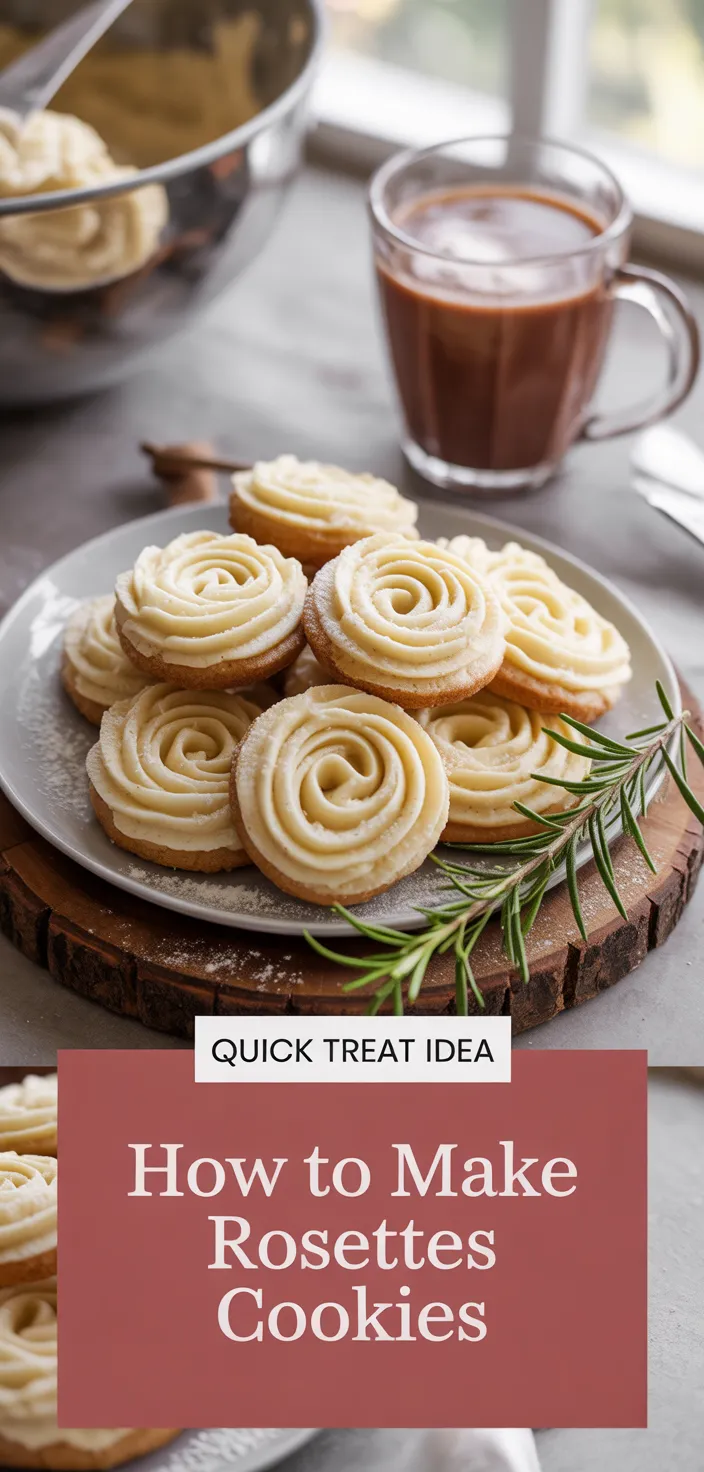
I’m completely obsessed with rosette cookies because they look fancy, but they eat like crispy little snowflakes with attitude. Every bite shatters in the best way, light, lacy, and almost too pretty to touch.
Almost. I love how the delicate crunch gives way to that sweet dusting of powdered sugar, like the cookie version of holiday sparkle without trying too hard.
And the hint of vanilla extract makes them taste classic, not boring. But honestly, it’s the texture that gets me every time.
Thin, crisp, airy. The kind of Christmas cookie I keep reaching for without even pretending otherwise.
Ingredients
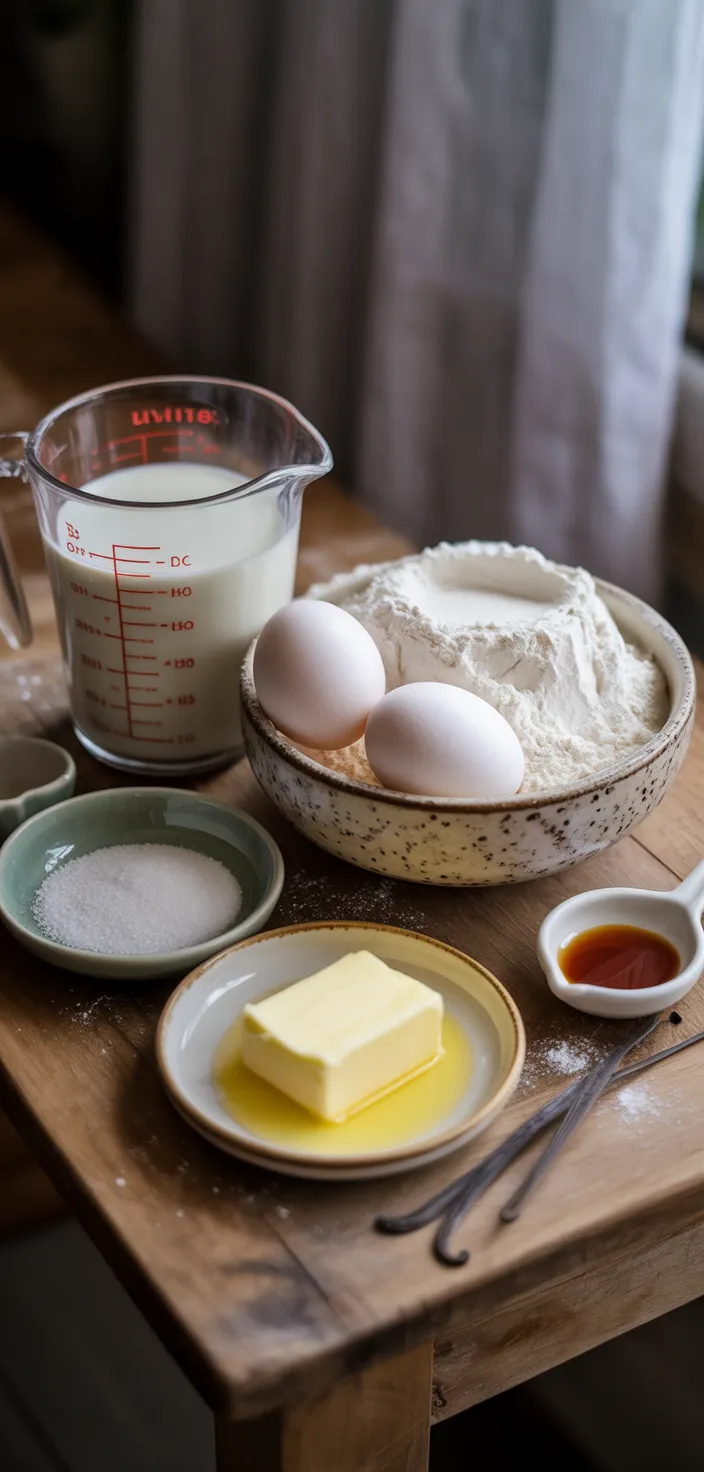
- Eggs give the batter structure, so those lacy edges don’t fall apart.
- Whole milk keeps the cookies light, tender, and just a little rich.
- Flour is the backbone here.
Basically, no flour means no rosette magic.
- Sugar adds a tiny sweetness without making these taste like cake.
- Salt keeps everything from tasting flat.
It’s small but important.
- Vanilla brings that cozy bakery smell you’ll notice right away.
- Melted butter adds flavor and helps the batter fry up nicely.
- Neutral oil gives the rosettes their crisp crunch without stealing the spotlight.
- Powdered sugar makes them pretty, sweet, and honestly kind of irresistible.
- Plus, these aren’t health food, but they’re totally worth the treat moment.
Ingredient Quantities
- 2 large eggs
- 1 cup whole milk
- 1 cup all purpose flour
- 2 tablespoons granulated sugar
- 1/4 teaspoon table salt
- 1/2 teaspoon vanilla extract
- 1 tablespoon melted butter
- About 2 to 3 cups neutral oil for frying (vegetable or canola)
- Powdered sugar for dusting, about 1/2 cup
How to Make this
1. In a medium bowl whisk 2 large eggs with 1 cup whole milk until blended.
2. Stir in 2 tablespoons granulated sugar, 1/4 teaspoon table salt and 1/2 teaspoon vanilla extract.
3. Gradually whisk in 1 cup all purpose flour until a smooth, thin batter forms.
4. Whisk in 1 tablespoon melted butter until incorporated; batter should be thin enough to coat the back of a spoon.
5. Let the batter rest 10 to 15 minutes while you prepare the oil.
6. Pour about 2 to 3 cups neutral oil into a deep skillet or pot and heat to 375°F (190°C).
7. Warm a rosette iron in the hot oil for a minute or two; remove and let excess oil drip off.
8. Dip only the edge of the hot iron into the batter so batter clings to the iron but does not cover the top, then immediately return the iron to the hot oil and hold until the rosette releases and the edges are golden, about 30 to 60 seconds; flip once if needed for even color.
9. Remove the cooked rosette with tongs, drain on paper towels and repeat with remaining batter, reheating the iron in the oil between batches.
10. When cool enough to handle, dust rosettes with about 1/2 cup powdered sugar and serve.
Equipment Needed
1. Medium mixing bowl
2. Whisk
3. Measuring cups and spoons
4. Small saucepan or microwave-safe bowl for melting butter
5. Deep skillet or heavy pot for frying
6. Candy or instant-read thermometer (to monitor 375 F / 190 C)
7. Rosette iron and long handle for heating and dipping
8. Kitchen tongs and a slotted spoon or spider for removing rosettes
9. Paper towels and a cooling rack for draining and cooling
FAQ
How To Make Rosettes Cookies Recipe Substitutions and Variations
- Eggs: 2 large eggs can be replaced with 1/4 cup plain yogurt or 1/4 cup applesauce plus 1 teaspoon baking powder for lift; both work to bind the batter but will yield a slightly denser, moister rosette.
- Whole milk: substitute with 1 cup canned coconut milk (full fat) or 1 cup unsweetened almond milk; coconut milk gives richer flavor and crispier edges, almond milk is lighter.
- All purpose flour: use 1 cup cake flour plus 2 tablespoons all purpose for a more tender, delicate rosette, or 1 cup whole wheat pastry flour for a nuttier flavor; adjust texture by not overmixing.
- Melted butter: replace 1 tablespoon melted butter with 1 tablespoon neutral oil (vegetable or canola) or 1 tablespoon melted coconut oil; both keep batter smooth and fry well.
Pro Tips
1. Keep the oil steady at about 375°F (190°C). If it is too cool the rosettes will soak up oil and be greasy, and if it is too hot they will brown on the outside before cooking through. Use a thermometer and adjust the heat between batches.
2. Aim for a very thin, almost pourable batter. If it seems too thick the batter will not cling properly to the iron and the rosettes will be dense. Stir gently after resting to reincorporate any settled flour without overmixing.
3. Always warm the iron in the oil before dipping, and let excess oil drip off briefly after lifting it out. That little pause helps the batter adhere in a neat pattern and releases more cleanly when fried.
4. Drain on a rack or paper towels briefly, then let them cool completely before dusting with powdered sugar. Cooling preserves crispness, and you can toss a pinch of cinnamon into the sugar for a subtle flavor lift.
How To Make Rosettes Cookies Recipe
I can’t get over how stunning these Christmas cookies look on a holiday dessert tray, with festive color and sparkle in every bite. One batch and suddenly they’re the cookie everyone asks about first.
8
servings
179
kcal
Equipment: 1. Medium mixing bowl
2. Whisk
3. Measuring cups and spoons
4. Small saucepan or microwave-safe bowl for melting butter
5. Deep skillet or heavy pot for frying
6. Candy or instant-read thermometer (to monitor 375 F / 190 C)
7. Rosette iron and long handle for heating and dipping
8. Kitchen tongs and a slotted spoon or spider for removing rosettes
9. Paper towels and a cooling rack for draining and cooling
Ingredients
-
2 large eggs
-
1 cup whole milk
-
1 cup all purpose flour
-
2 tablespoons granulated sugar
-
1/4 teaspoon table salt
-
1/2 teaspoon vanilla extract
-
1 tablespoon melted butter
-
About 2 to 3 cups neutral oil for frying (vegetable or canola)
-
Powdered sugar for dusting, about 1/2 cup
Directions
- In a medium bowl whisk 2 large eggs with 1 cup whole milk until blended.
- Stir in 2 tablespoons granulated sugar, 1/4 teaspoon table salt and 1/2 teaspoon vanilla extract.
- Gradually whisk in 1 cup all purpose flour until a smooth, thin batter forms.
- Whisk in 1 tablespoon melted butter until incorporated; batter should be thin enough to coat the back of a spoon.
- Let the batter rest 10 to 15 minutes while you prepare the oil.
- Pour about 2 to 3 cups neutral oil into a deep skillet or pot and heat to 375°F (190°C).
- Warm a rosette iron in the hot oil for a minute or two; remove and let excess oil drip off.
- Dip only the edge of the hot iron into the batter so batter clings to the iron but does not cover the top, then immediately return the iron to the hot oil and hold until the rosette releases and the edges are golden, about 30 to 60 seconds; flip once if needed for even color.
- Remove the cooked rosette with tongs, drain on paper towels and repeat with remaining batter, reheating the iron in the oil between batches.
- When cool enough to handle, dust rosettes with about 1/2 cup powdered sugar and serve.
Notes
- Below you’ll find my best estimate of this recipe’s nutrition facts. Treat the numbers as a guide rather than a rule—great food should nourish both body and spirit. Figures are approximate, and the website owner assumes no liability for any inaccuracies in this recipe.
Nutrition Facts
- Serving Size: 74g
- Total number of serves: 8
- Calories: 179kcal
- Fat: 7.06g
- Saturated Fat: 1.95g
- Trans Fat: 0.06g
- Polyunsaturated: 1.25g
- Monounsaturated: 3.86g
- Cholesterol: 53.4mg
- Sodium: 116mg
- Potassium: 74.9mg
- Carbohydrates: 24g
- Fiber: 0.43g
- Sugar: 12.1g
- Protein: 4.2g
- Vitamin A: 155IU
- Vitamin C: 0mg
- Calcium: 48.4mg
- Iron: 0.65mg